

Your Path to Property Ownership
Deciding to Buy
Purchasing a property is most likely the biggest financial decision you will ever make. Whether this is your first purchase or you are an experienced buyer, this decision must be made carefully.
Why Do You Want To Buy?
Are you tired of paying rent? Have you decided to pay your own mortgage and not your landlord’s?
Having a clear sense of your reasons for buying will help you choose the right property.
Has Your Income Grown?
Property Ownership is an excellent investment: whether you are looking for your dream home, a rental property, or to expand your investment portfolio. Owning real estate is one of the least risky ways to build equity or to obtain a greater return on your initial investment.

Preparing to Buy
Before you start shopping for your property, it is a good idea to make some preparations.
Build Your Green File
A green file contains all your important financial documents. You will need it to secure financing for your property. The typical green file should contain:
Check Your Credit Rating
Your credit score will have a huge impact on what type of property you can buy, and at what price. It is first recommended to check your credit rating with an experiences lending institution so that we can determine what you can afford. The lender will research your credit ratings from the three credit reporting agencies Experian, Equifax and Trans Union. We will be happy to recommend experienced, knowledgeable lenders in the residential, construction, and commercial and investment real estate fields.
Apply For a Mortgage
Before you begin your home search, it’s important to apply for a mortgage and contact at least three lenders to compare your options. By doing so, you’ll find out exactly how much you qualify for, which will help guide your search. It’s also helpful to calculate what monthly payment fits comfortably within your budget, and then work backwards to determine your ideal price range. This way, you can focus on homes that truly meet your financial needs from the start.
Be Careful With Your Finances
Now is not a good time to make sudden changes or large purchases. You want to approach your property purchase from a position of financial stability.

Choose a Real Estate Agent Property Ownership
Buying a property requires making many important financial decisions, understanding complex issues and completing a lot of paperwork. It helps to have an expert in your corner when undertaking such a large purchase. I can guide you through this process, and also provide you with access to property listings before they hit the general market.
Here are some factors to consider when choosing your real estate professional:
Time to go Shopping
Once those preparations are out of the way. It is time to find the right property for you.
Take a Drive
Get to know the neighborhoods, complexes, or subdivisions, which interest you. Drive around and get a feel for what it would be like to own a property in the area. Start getting a sense of the properties available in those areas.
Narrow Your Search
Select a few properties that interest you the most and have your real estate agent make appointments to visit them. Ask your real estate about the potential long term value the properties you are considering.
Time to Buy
Your real estate agent will send you relevant home listings. She will then schedule showings for the homes you select. We tour the homes together and once you have picked the property you like. Once you have picked out the property you want to purchase, your real estate agent can help you make an offer that the seller will accept. A good agent will investigate the potential costs and expenses associated with the new property. An agent can also help you draft your offer in a way that gives you the advantage over another offer.
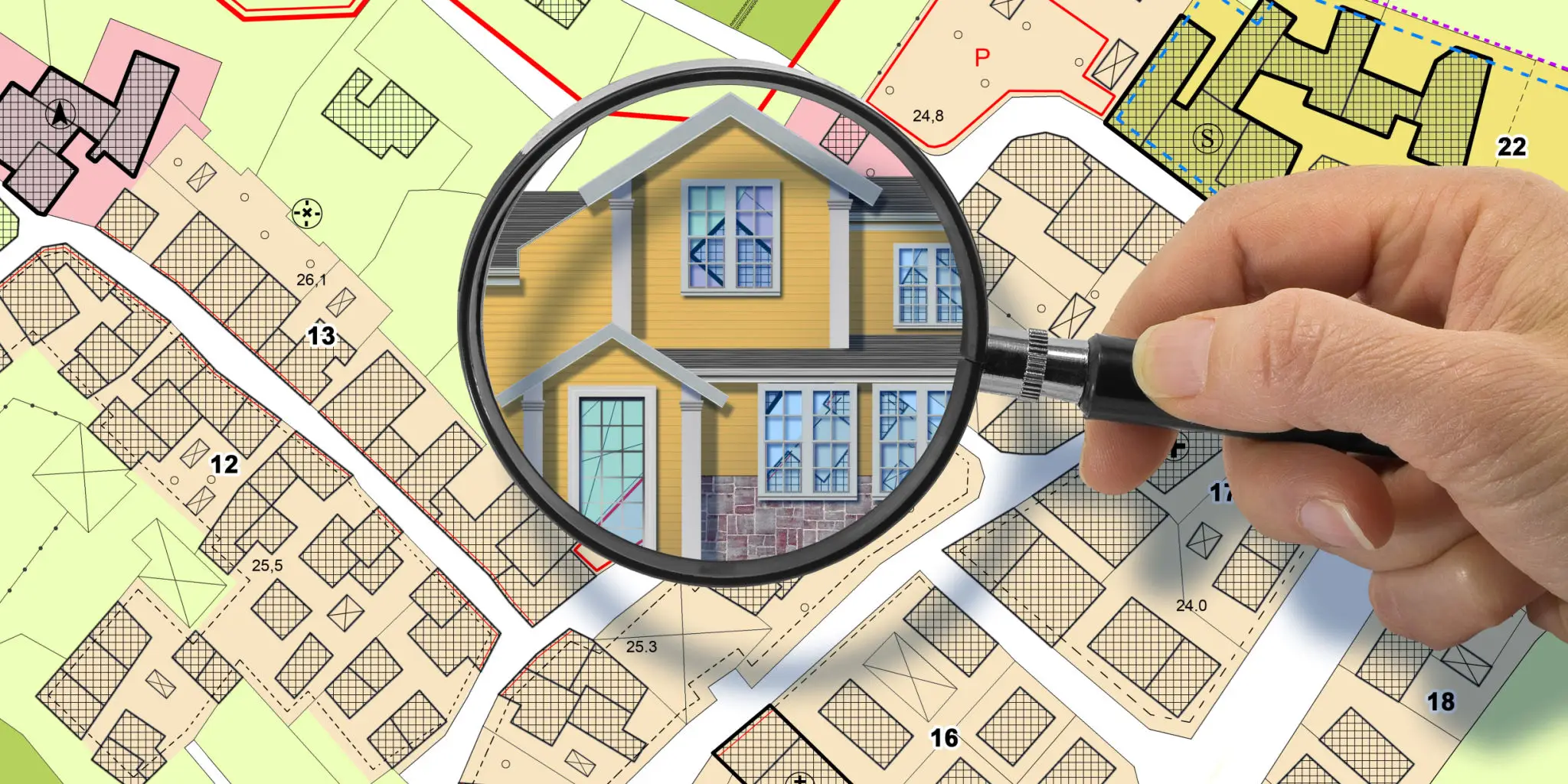
Escrow Inspections and Appraisals
The Process, Step-by-Step - The Initial Agreement and Deposit
An effective agreement is a legal arrangement between a potential purchaser and the property’s seller.
Some important tips to keep in mind to streamline the process:
How to Hold Title
You may wish to consult an attorney or tax advisor on the best way to hold title. Different methods of holding title have different legal, estate and tax implications, especially when selling or upon death of the title holder.
The Closing Agent
Either a title company or an attorney will be selected as a closing agent by you. The closing agent will hold the deposit in escrow and will research the complete recorded history of the property to ensure that the title is free and clear of encumbrances by the date of closing. Some properties are subject to restrictions for example – Home Owners Association. You will be provided all the relevant documentation to understand all the restrictions. Also there may be recorded easements and encroachments, which limit the rights to use your property.
Inspections
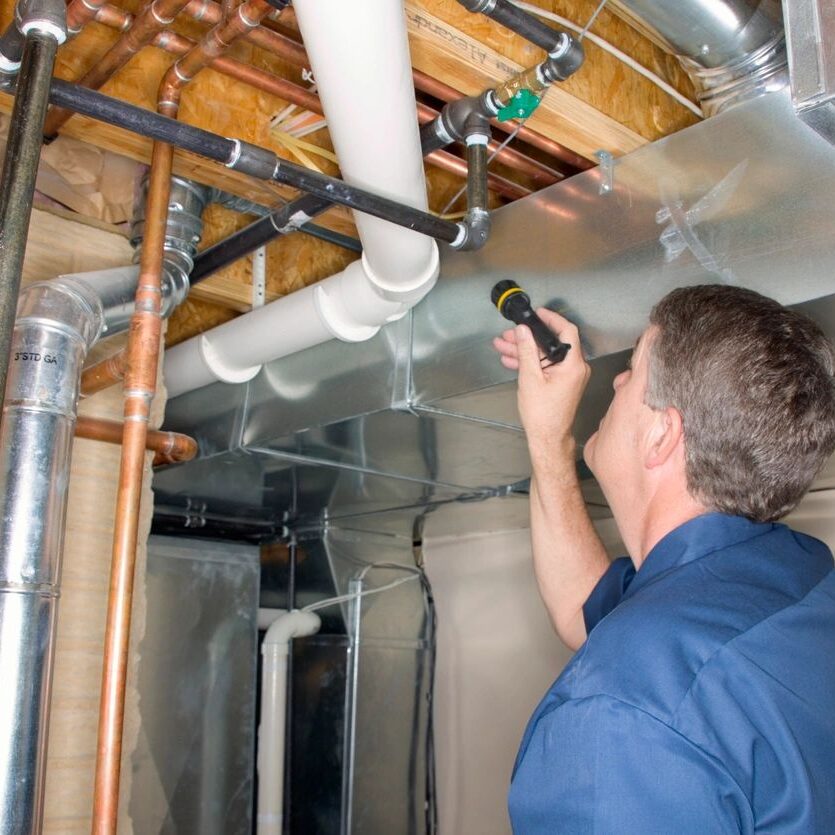
Once your offer is accepted by the seller, you will need to licensed property inspector inspect your property within the time frame that was agreed upon in the effective contract to purchase. You may elect to have different inspectors inspect the property, for example: roof, HVAC, structure. If you are purchasing a commercial property, then you will need to have an environmental audit done on the site for the lending institution. I can recommend several different inspectors.
Depending on the outcome of these inspections, one of the two things may happen:
Appraisal and Lending
It is imperative that you keep in close communication with your lender, who will let you know when additional documents are needed to approve your loan application and fund your loan. If the agreement is conditional upon financing, then the property will be appraised by the licensed appraiser to determine the value for the lending institution, via a third party. This is done so that the lending institution can confirm their investment in your property is accurate. Appraisers are specialists in determining the value of properties, based on a combination of square footage measurements, building costs, recent sales of comparable properties, operating income, etc.
Association Approval
If the property that you are purchasing is conditional upon a home owner/condo association approval, the rules, regulations and other documents are requested. Most associations requires a certificate of approval before move in. Your closing agent will request that the original copy of this approval letter be brought to the closing, so that it can be recorded with the deed in the county public records.
Property Insurance
If you are obtaining a loan, you will be required by your lender to purchase a certain amount of insurance on the property. The value will depend on the purchasing price of the property. You may be able to save hundreds of dollars a year on homeowners insurance by shopping around for insurance. You can also save money with these tips,
I will be happy to recommend experienced knowledgeable insurance agents for every property type.

Moving In
Closing Day
If you have come this far, then it means that it is almost time for a congratulations, but not yet. Do not forget to tie up these loose ends:
Final Walk-Through Inspection
More of a formality than anything else, the final inspection takes place a day before, or the day of the closing. You will visit the property with me to verify that all is in working order, everything is the same as when you last viewed the property, that there are no extra items left behind, and that everything included in your purchase is still at the property.